How 2025 Is Shaping the Future — From Economy to Climate and Travel
The world is going through a number of changes in 2025 that have an impact on daily life, national economies, environmental safety, and international connections and travel. As we approach 2026, the headlines of this year show a complicated combination of shifting travel patterns, economic policy changes, and cutting-edge technological advancements that collectively define global momentum.
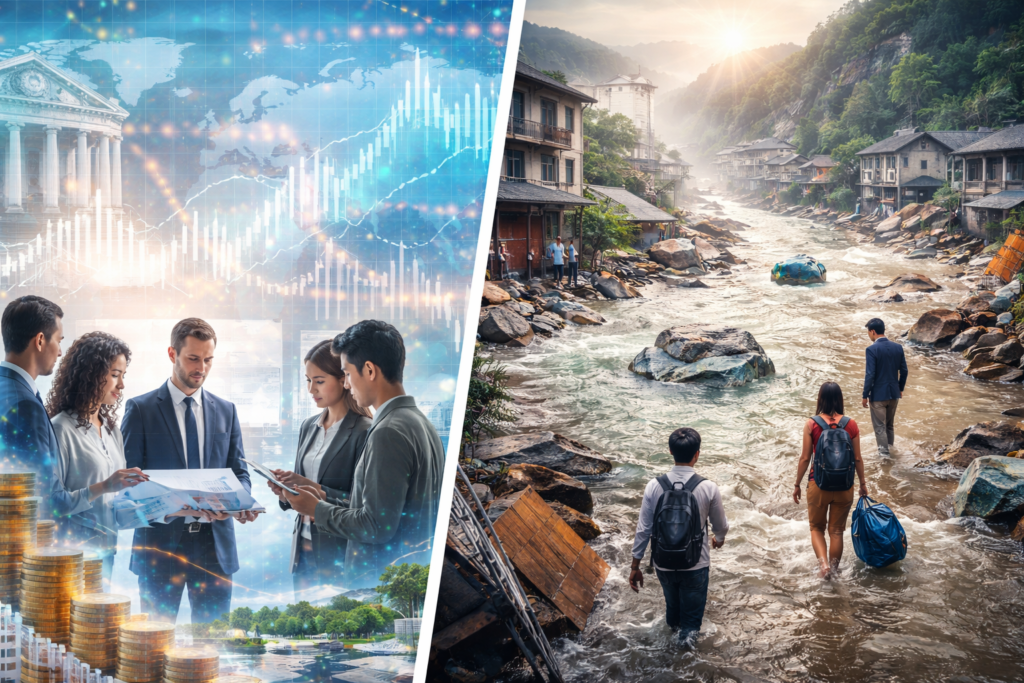
The aggressive change in monetary policy by the world’s major central banks is one of the year’s most significant stories. Central banks, including those in the US, the Eurozone, and the UK, have started widespread interest rate reductions totaling hundreds of basis points for the first time in many years. This action, which attempts to boost growth in both developed and emerging markets, represents a dramatic departure from the tightening tactics employed to control inflation since the pandemic era. Global financial markets, loan rates, consumer confidence, and investment flows are already showing the effects, indicating a cautious but proactive reaction to changing economic conditions.
These kinds of shifts in economic policy have an impact on more than just banks and investors; they also have an impact on employment markets, government spending choices, price stability, and international trade. While businesses reassess their expansion plans in response to changing capital availability, households may experience changes in borrowing costs. The effects are felt by the average person, affecting everything from consumer prices to mortgage rates.
In the meantime, environmental issues and climate change continue to be the world’s top concerns. With numerous cyclones causing massive floods and landslides that have claimed millions of lives in Indonesia, Malaysia, Thailand, and the Philippines, Southeast Asia has experienced one of the deadliest disaster cycles in recent memory. In addition to causing extensive damage, these natural disasters have rekindled international conversations about infrastructure resilience, emergency response coordination, and climate adaptation.
These climate events highlight an increasing reality: communities on all continents must get ready for more frequent and severe weather emergencies as global temperatures rise and weather patterns change as a result of climate change. To reduce future risks, governments, non-governmental organizations, and foreign partners are investing more in long-term sustainable development plans, disaster relief logistics, and early warning systems.
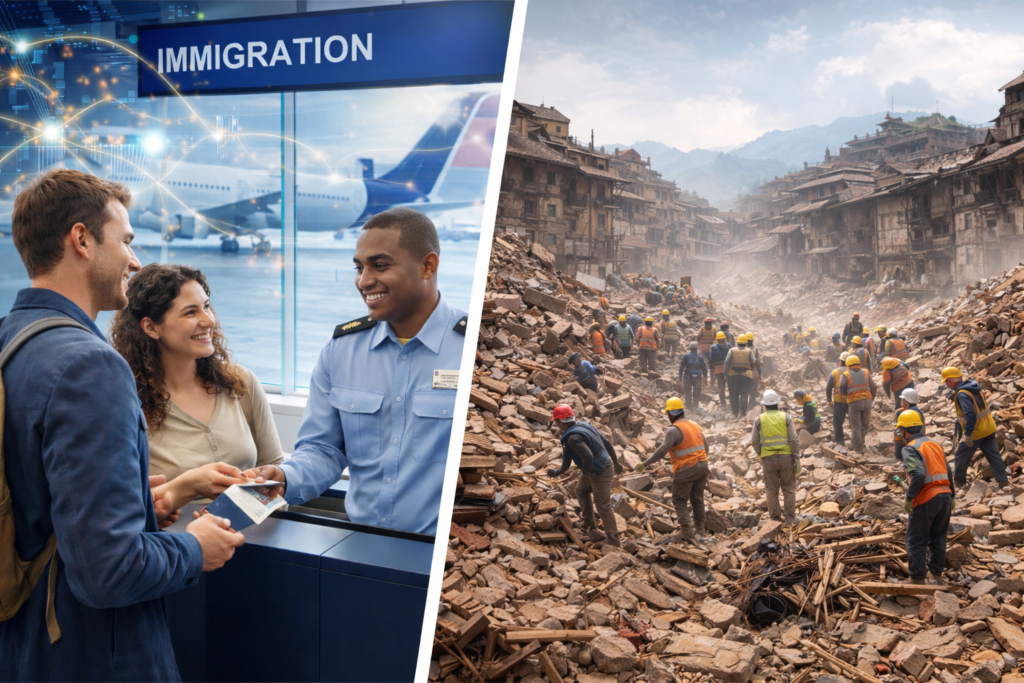
International travel is evolving at the same time that environmental and economic trends influence policy. A new international tourism initiative that combines sustainability with cultural experience is highlighted by a recent partnership between nations like the United States, the United Kingdom, Mexico, Italy, France, and Croatia. In addition to traditional sightseeing, the emphasis is on wellness travel, customized itineraries, and international sports and events that draw tourists from around the world and boost local economies. In addition to serving as a bridge between cultures, travel is now a major economic factor for countries that are recovering from restrictions imposed during the pandemic.
Additionally, technology is still a defining trend. Artificial intelligence and its industry applications saw significant breakthroughs in 2025, ranging from AI-driven advertising strategies that transform how brands interact with consumers globally to personalized online shopping. These developments are more than just technological innovations; they are revolutionizing industries by increasing productivity, generating new employment opportunities, and igniting discussions about ethics and governance in the application of AI.
The world still faces difficulties despite the speed at which technology is developing, especially when it comes to establishing ethical standards and governance frameworks for the responsible management of innovations. Policymakers and tech executives are under pressure to make sure new technologies benefit society without causing unintended harm, from data privacy to algorithmic fairness and transparency.
In conclusion, 2025 will be a year of significant technological advancement, environmental urgency, and economic recalibration. Global well-being in the coming decades will be shaped by how countries react to these intersecting pressures. The story of 2025 provides insight into the opportunities and challenges that lie ahead, whether it be developing policies to shield citizens from climate shocks, stabilizing economies through deliberate monetary intervention, or utilizing technology for inclusive growth.