
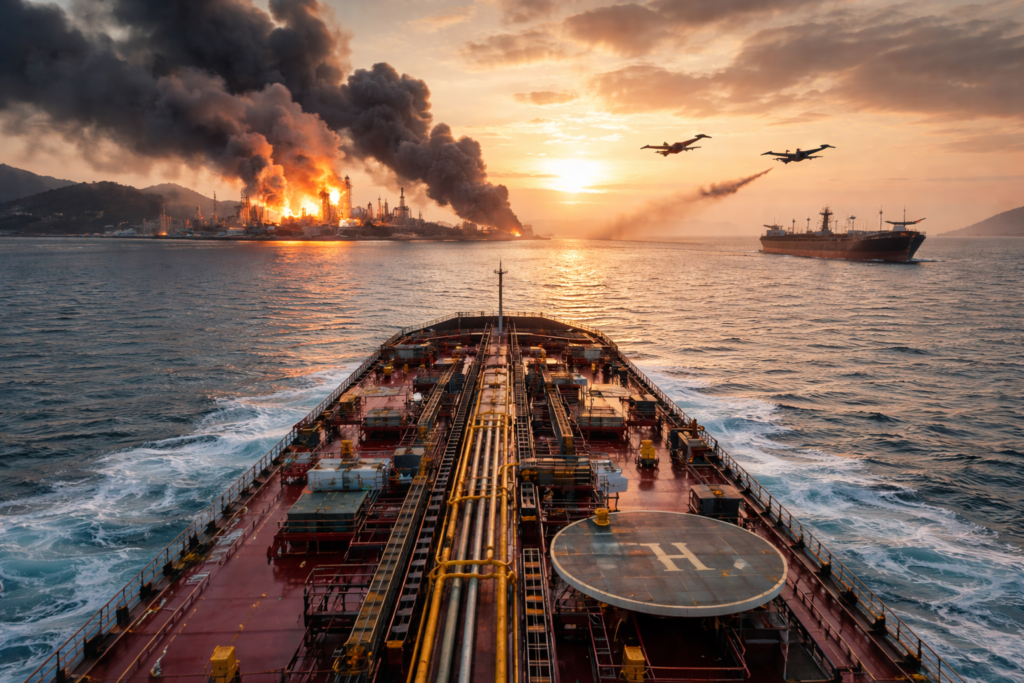
Middle East Conflict Triggers Global Energy Shock as Strait of Hormuz Tensions Rise
The intensifying conflict in the Middle East has triggered another round of turmoil in global energy markets. In fact, news of attacks on oil tankers and the highly strategic areas near Dubai have raised fears about the security of one of the worlds most significant oil routes. As the turmoil unfolds, a lot of countries area are eager to know the outcomes because the region is famously indispensable as a source of energy in the world capital.
One of the area’s most sensitive to this conflict is the Strait of Hormuz, which is a very narrow passage that 80% of the world’s oil shipments go through daily. Therefore, any stoppage in this passage would inevitably cause cuts and price hikes in oil around the world. Besides, when the formal shipping channels present a security hazard, market agents usually rope in transport or hike prices, which is the situation in the global markets.
Meanwhile, there have been reports that suggest Iran-backed forces are responsible for the attacks on ships and commercial infrastructure in the region. Though the complete details of the incidents are being hammered out, the attacks have disquieted shipping companies and oil exporters. Moreover, the insurance premiums for oil tankers are being hiked due to the exposure to risks in the area.
Many Asian countries are really concerned since a lot of them rely quite a bit on oil shipments from the Middle East. For example, India gets quite a large part of its crude oil from Gulf countries and is pretty much on alert with the current developments. If the supply gets disrupted for a good length of time, it will definitely put India under pressure in terms of energy and at the same time fuel prices could go up for the public.
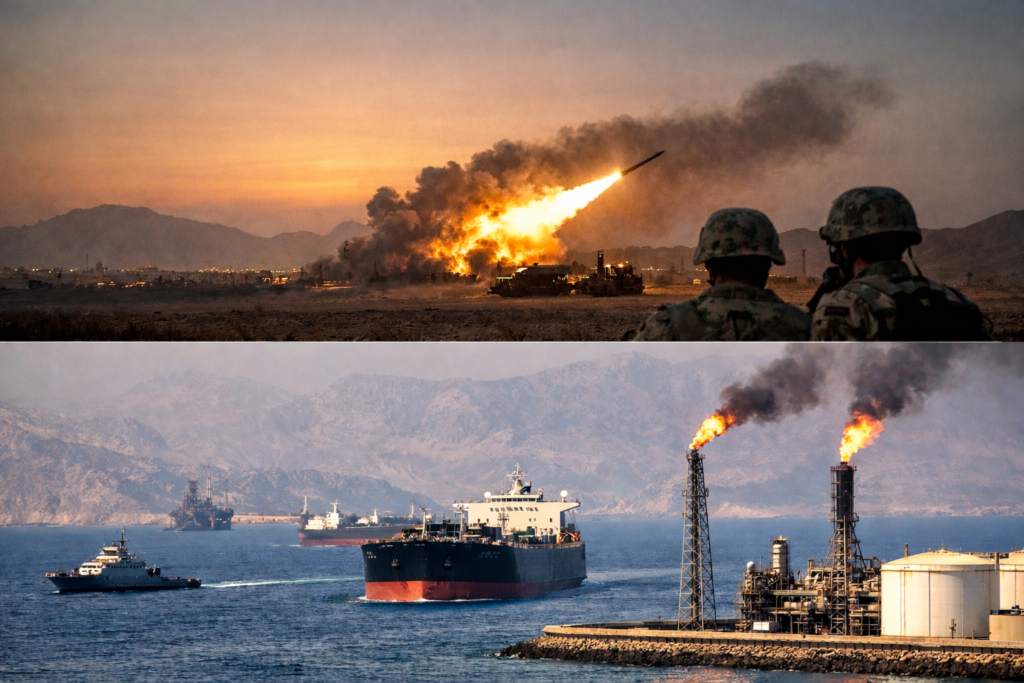
It is not just oil, but the whole industry and everyday life will be impacted by global price hikes. When crude oil prices go up it will also affect petrol, diesel, and cooking gas prices which in turn will lead to inflation and more economic pressure on both households and businesses. According to energy specialists, the matter may escalate if the war gains new grounds or if safety of the maritime paths extends. Local governments may have no choice but to consider other alternative supply routes or simply build up their strategic reserves in order to counter any instability in their domestic energy markets.
At the same time, international bodies are calling for diplomatic solutions to keep the situation from escalating. Making the region stable is necessary both for security and for ensuring that global energy supplies flow uninterrupted. Any prolonged halting in supply could greatly impact global trade and economic growth. Currently, the entire world is waiting for the news from the Middle East attentively. Historically this region always been the main pillar of global energy system, so even minor skirmishes are capable of triggering massive economic turmoil.
What will happen still depends on whether the crisis is resolved or whether it gets worse. These two scenarios are likely to have a big impact on international oil prices and energy security.