Rising Global Conflict, The Latest Country Fights Shaping 2026
Rising Global Conflict, The Latest Country Fights Shaping 2026
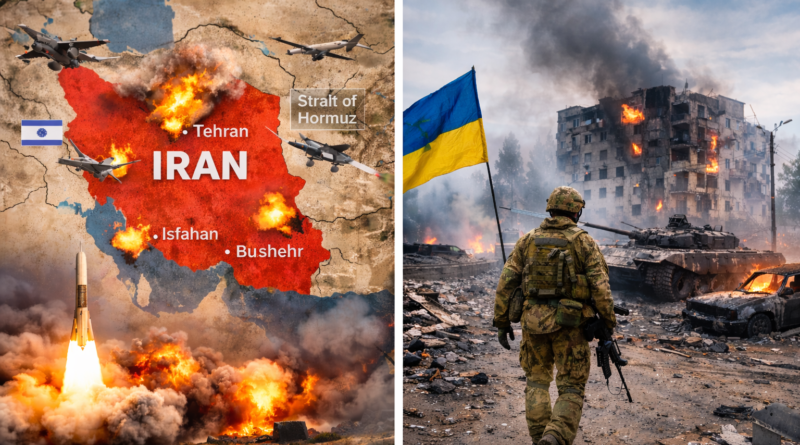
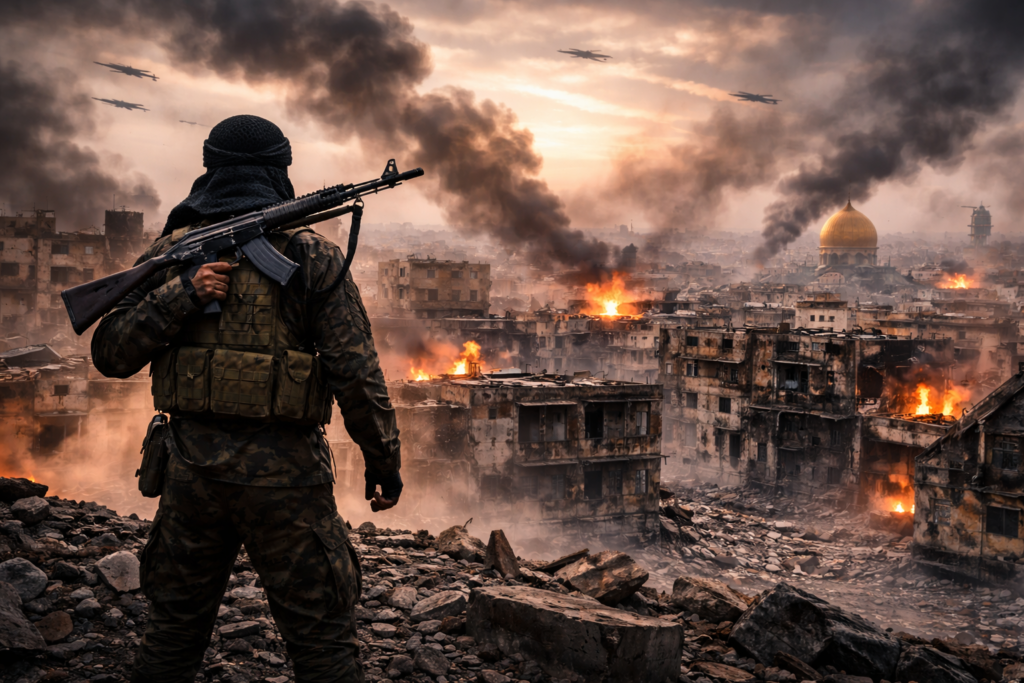
The world in 2026 is facing a significant increase in geopolitical tensions, and several conflicts at the country level are topping the list of issues in international news. Among all such conflicts, the war of words and actions between Israel and Iran leading to a full battle is the most popular one. This standoff has dramatically destabilized the Middle East and caused an outcry from the whole world in terms of energy security, international diplomacy, and people’s safety in the region.
It is said that the recent escalation is the consequence of a series of military strikes allegedly aimed at destroying strategic installations. The two nations have blamed each other for the attacks and thereby intensified the situation by missile and drone retaliations. BBC News, Reuters, and other global media have covered the conflict as one of the most dangerous threats to regional security in recent times. Experts fear that if this tension is not tamed, the conflict may spill over to the nearby states and become a larger crisis.
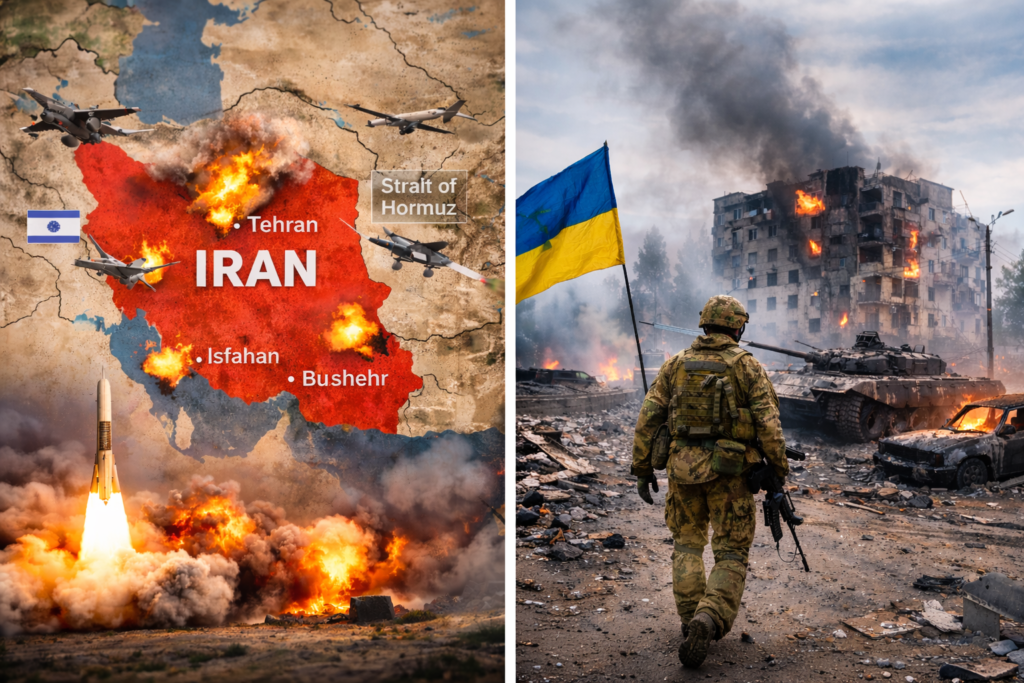
The issue of greatest concern is how oil supply routes around the world will be affected, especially the ones around the Strait of Hormuz. This short passage is very important for the transportation of oil worldwide. A break of the services in this area can lead to the increase of prices of the fuel all over the world thus the economies in Asia and Europe being the most affected. Countries that rely on oil exports from the Middle East are watching the situation very closely as the global markets are getting very volatile.
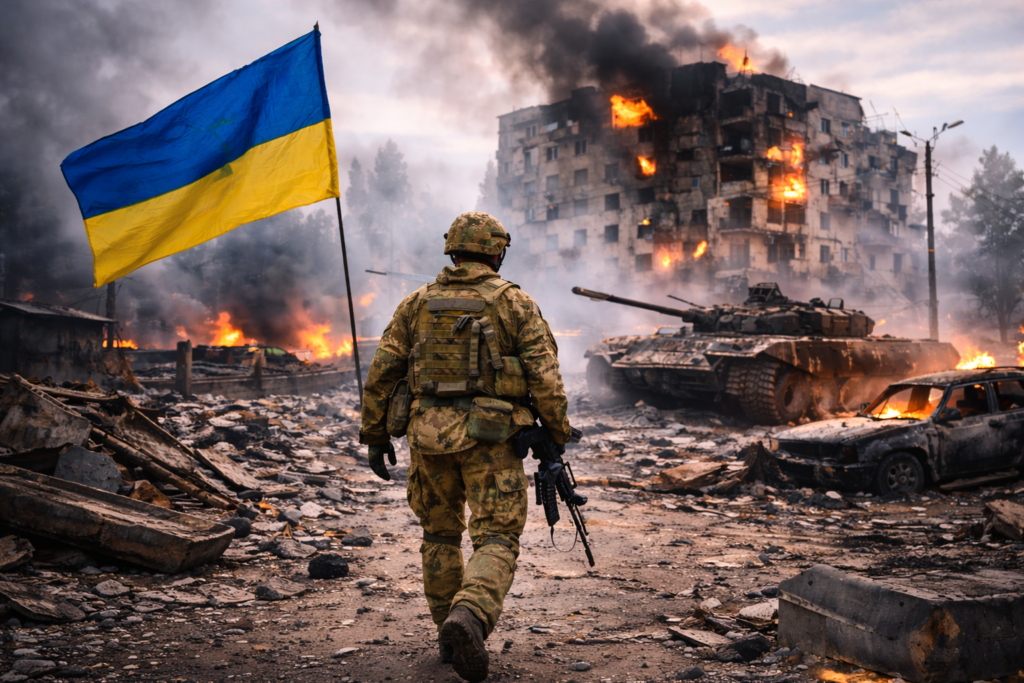
Moreover, other country, level conflicts continue to escalate. The war between Russia and Ukraine is still a major threat and there has also been the problem of human rights violations. The conflict has changed European security policies and reinforced the defensive agreements. At the same time, the fragility of the African and Southeast Asian regions are leading to the continuation of the problems of the violation of human rights and displacement of people.
International organizations like the United Nations are calling for restraint and diplomatic talks. To avoid the situation getting worse and to promote peace negotiations, they have held emergency meetings. However, because of geopolitical rivalries and strategic interests, the immediate solution is complicated.
The development of modern warfare technology has also altered the nature of these wars. Cyber warfare, drone surveillance, missile defense systems, and AI, based military strategies are among the significant factors. According to experts, wars have not been confined to the physical battlegrounds anymore; besides that, economic sanctions, cyber, attacks, and information warfare are equally powerful weapons.
For ordinary people living in different parts of the world, the effect of these country fights is tangible. Among the direct consequences of the economy are the more expensive gasoline, the difficulties in the use of the means of transportation, the instability of the exchange rates, and the rise of prices. Airlines are diverting their routes to avoid danger areas, insurance costs are going up, and companies are postponing their foreign investments due to the uncertainty.
These are very tense situations that at the same time diplomatic efforts continue. International mediators, regional alliances, and peace, building organizations are always working even if they are not seen. The negotiation is the most powerful instrument to rule out a wider world crisis.
All in all, 2026 will be a key year for global security. The problems between Israel and Iran, as well as the war between Russia and Ukraine, are diplomatic systems and economic resilience being tested by conflicts on a global scale. It is going to be the next few months that decide if these tensions rise, or if there will be a way for them to be resolved through negotiation and peace. It is very important to be well, informed and to have an understanding of the wider geopolitical context in a world that is so interconnected as nowadays.