
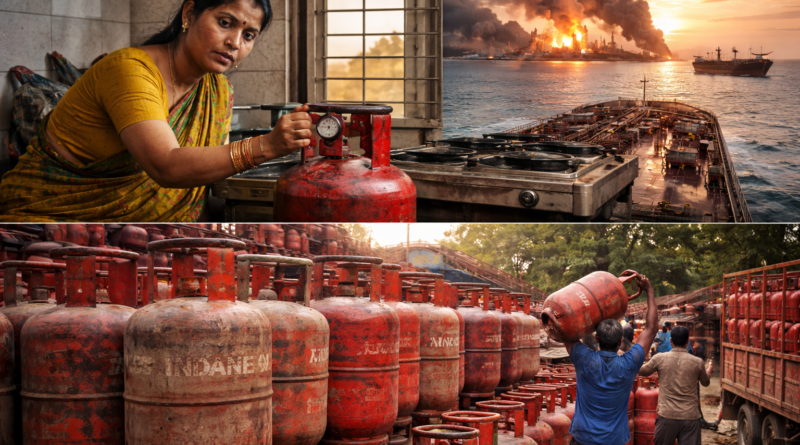
India Faces LPG Supply Concerns as Middle East War Disrupts Energy Routes
The unfolding conflict in the Middle East has started to very serious implications for the countries that are heavily dependent on import of energy. Countries that stand the risk of getting most affected include India where a massive i. e. hundred million plus number of households depend on liquid petroleum gas (LPG) for their cooking requirements. The theory behind this being that disruption of global shipping routes has caused rise of conversion of anxieties about how point supply of LPG will reach home to points of shortages and delays.
The point to be kept in mind is that India is quite dependent on LPG imports from Middle East countries. So when tension levels are up in this region, it means an immediate effect on shipping, logistics and in turn energy markets. This is evident from the recent attacks and unrest in main routes of oil transportation, the experts have cautioned that in the next few weeks, even LPG deliveries may slow down or get more costly.
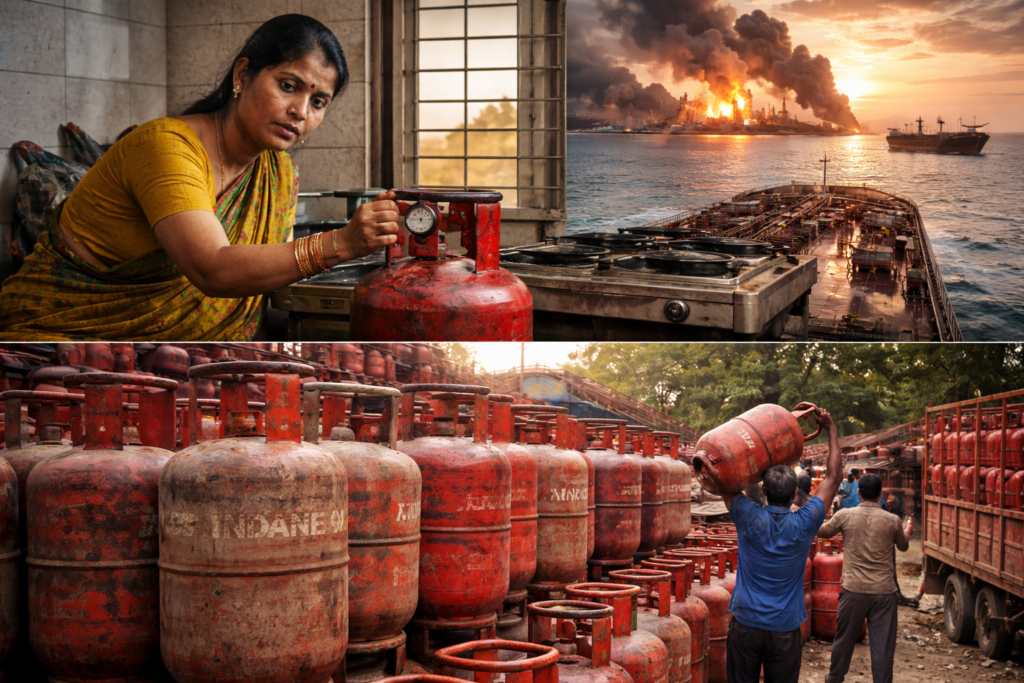
The most important among various routes for the transportation of energy is Strait of Hormuz. A narrow channel linking Persian Gulf with the rest of the world by sea, it is through this route, large amounts of oil and domestic gases get exported to the world markets. So, whenever this route is under threat due to hostilities, imbalance in energy supplies can be expected in the Asian region quite promptly.
The possibility of interruption has already had a ripple effect on the energy markets. For example, whenever there is news of geopolitical tension, traders and suppliers tend to raise prices or slow down shipments until the situation gets safer. This leads to an atmosphere of uncertainty which can result in temporary shortages or increased costs for the countries that rely on imports.
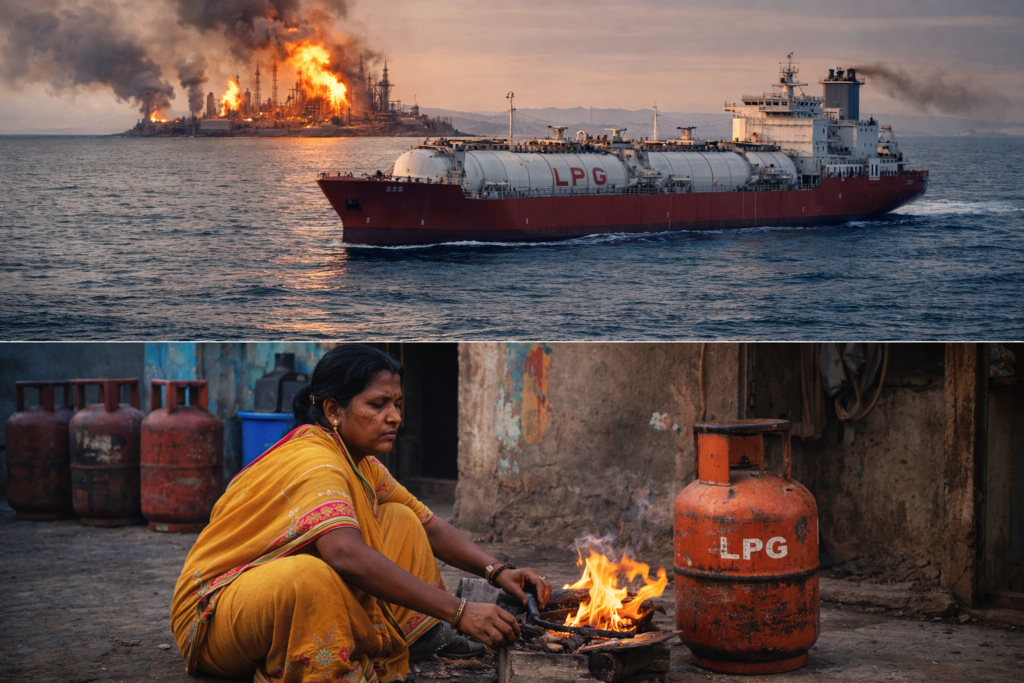
For Indian families, LPG is a necessity rather than just one more type of fuel. Many households depend on government-subsidized LPG cylinders to prepare food. Continuous disruptions in the supply might put pressure on the distribution channels and raise questions of affordability and accessibility. Both the government and energy companies seem to be very vigilant in this regard. They could, for instance, resort to increasing imports from different countries or using stockpiles of strategic reserves to keep supplies running. Yet, it is well-known that changing large quantities of LPG from the Middle East is challenging due to the worldwide demand that already exists.
Some economists have also raised the possibility that hikes in energy prices could be one of the drivers of inflation. For instance, LPG price increases create ripple effects starting with a direct hit to household budgets and eventually making food, transportation, and manufacturing costlier human-sounding prose
it has not stopped India from working on its energy security even though it is a challenge by diversifying sources and increasing storage capacity. Although the present crisis has made the situation uncertain, long-term plans and working together with other countries can help lessen the burden on the public and the economy.