
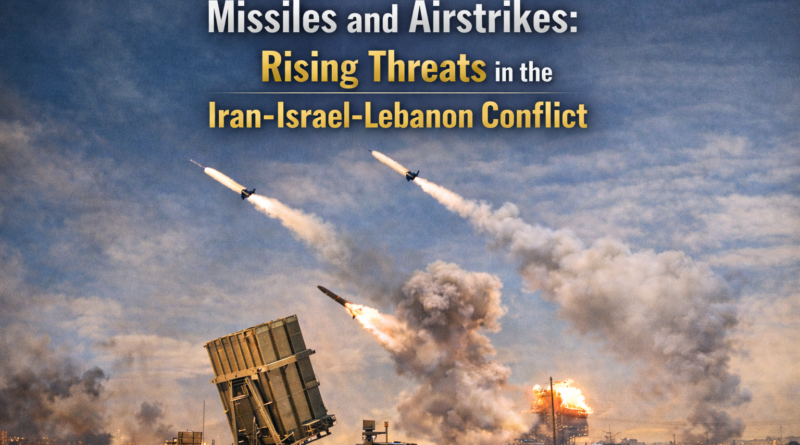
Missile Threats and Attacks Escalate Between Iran, Israel, and Lebanon
The Middle East has again become the focus of world attention as Iran, Israel, and Lebanon are involved in missile threats and military actions that are rapidly escalating. The tensions between these countries have resulted in numerous missile launches, airstrikes, and counterattacks, which have raised concerns of a broader regional war. The situation has escalated quite fast over the past few weeks, with each side taking very strong measures against their rivals’ perceived threats and military deeds.
The conflict became more serious when Israel attacked the infrastructures of Iran, related military facilities. These strikes were intended to disable missile systems and other defense mechanisms that could pose a threat to security in the region. It was said that the targeted spots were some of the centers of weapons manufacturing and military planning. Such measures have swiftly led to a rise in tensions and have put the world spotlight on the issue.
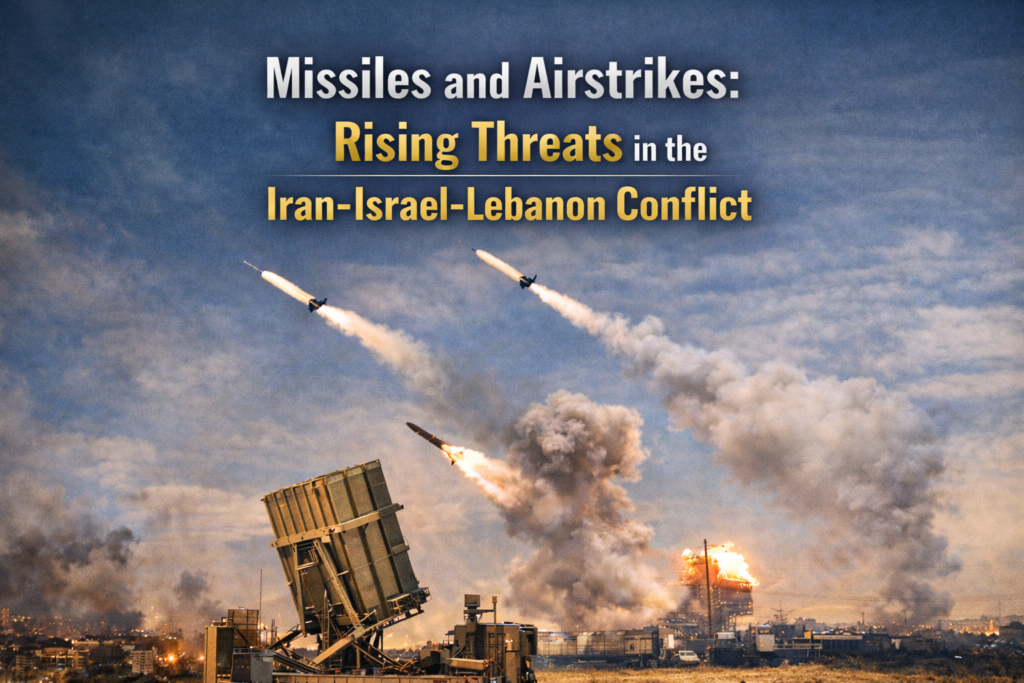
Therefore, Iran is said to have fired missiles and sent drones toward Israeli areas. Parts of Israel were put on air, raid alert, and their defense systems were turned on, resulting in civilians seeking shelter. This tit, for, tat action showed the great risk of military escalation when both parties choose to respond with force.
It grew even more complicated when Lebanon, based groups, especially Hezbollah, got involved. Rockets were launched at northern Israel heightening the fears that the war might not be restricted to just Israel and Iran. These strikes set off warning sirens and military forces in the border areas were put on high alert.
After the rocket attacks, Israel conducted air raids in southern Lebanon where the places connected to the Hezbollah network were targeted. They said that these air raids were only defensive measures geared towards stopping more rocket attacks. Due to the ongoing threat some border residents were told to leave or stay in safe places. Heightened tension has alarmed the world community and various international bodies leaders. Countries have called for calm and diplomatic negotiations to keep the conflict from escalating to a wider regional war. According to analysts, missile firing back and forth can even lead to the involvement of more countries.
Besides the military aspects, the conflict also induced an atmosphere of uncertainty in global markets and international transport routes. The Middle East is a crucial area for the global trade and energy supply, so instability there might change the price of oil and shipping activities. Both governments and analysts are continuously keeping an eye on the situation.
Although military confrontations continue, quite a few analysts are of the opinion that at a certain point, diplomatic talks must be held to lower the level of tension. The multilayered nature of the relationships among Iran, Israel, and the factions based in Lebanon makes the matter not only complicated but also challenging to settle. The next few days might be decisive to see whether the region takes a step to further escalation or starts the road to de, escalation through discussions.