
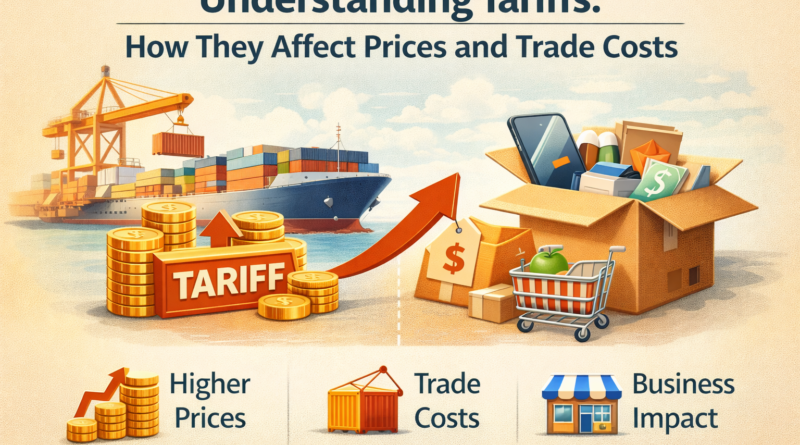
Tariff Defined What Role Does It Play in Cost and Trade?
To put it simply, a tariff is a tax that is levied on goods when they cross a border. As the price of everyday goods is greatly influenced by tariffs, the latter are also key factors in global trade besides policy decisions. In this way, both consumers and businesses can identify why some commodities are more expensive than others based on their knowledge of tariffs.
Introducing a tariff to a particular goods increases the cost of the whole operation of importing that good into a country. This extra cost is usually passed onto the final price which means the purchasing power of the consumers reduces as they have to buy the product at a higher price.
Furthermore, a wide range of items such as electronic gadgets, garments, raw materials, and even food products can be influenced by pricing changes albeit indirectly.
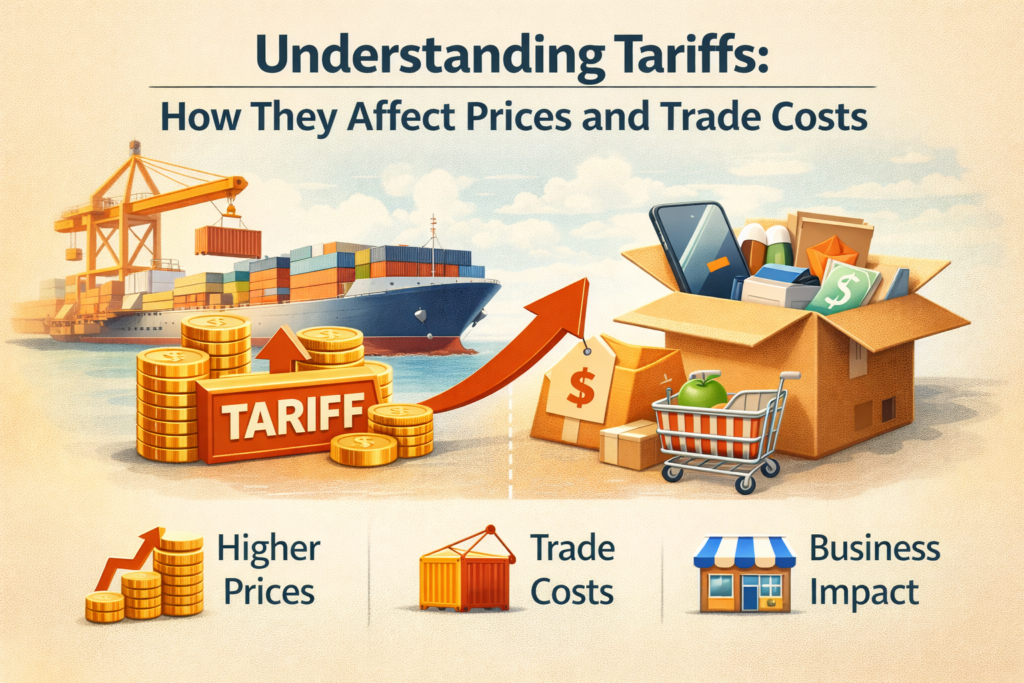
Tariffs also have an impact on the decisions of businesses in the supply chains. Companies, in order to cope with the increase in costs, may consider seeking alternative suppliers, changing their sourcing locations, or even modifying the quality of the products. Such measures may lead to a change in the quantity of products available, the time of delivery, and the variety on the market, although most customers might not be aware of the real reason behind it.
Furthermore, one of the most important aspects that tariffs have is the influence they exert on competition. In the case that the imported goods get more expensive due to tariffs, the locally produced ones may seem to be more competitively priced. This, in turn, may lead to an increase in domestic production but on the other hand, it may also limit consumer choices if the range of imported options gets reduced eventually.
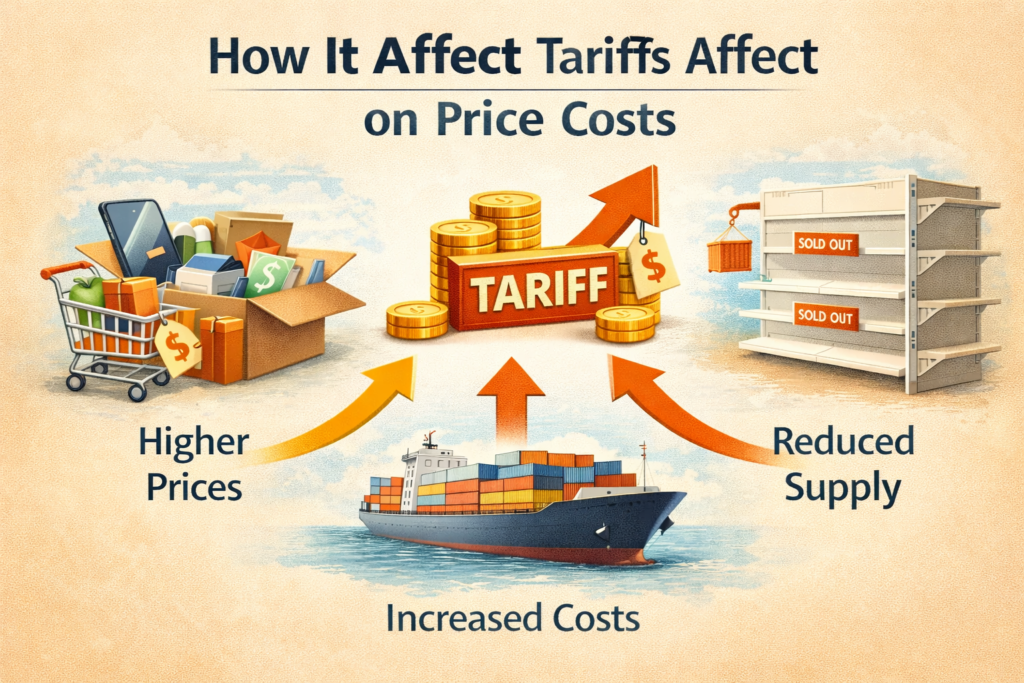
Tariffs may also affect inflation at a very basic level. Basically, pricing of different goods and services may gradually get impacted if import costs rise due to tariffs. Accordingly, any product that uses imported materials initially will face price increase. As a result, several products in a market will chain into a little higher price, thus cutting the family’s budget.
For companies that are trading internationally, tariffs are yet another obstacle for planning and cost managing. Importers and exporters, the ones who bet on their sales, must know the exact tariff they will pay to stay in the black. Small businesses, especially those that are new, get most of the impact because they have fewer options for deflecting such expenses.
By comparing prices, selecting alternative brands, or simply going for locally available products, consumers can lessen the impact of tariffs. Knowing the role of tariffs in pricing can assist consumers in making better purchasing decisions in their everyday life.
To sum up, tariffs impact prices, trading costs, and market behavior through various indirect channels. One does not necessarily have to concentrate on policy issues only to recognize that tariffs are a major aspect in explaining price changes and the influence of global trade on the products we use daily.