
Bitcoin and Crypto Market Volatility Why Prices Rise and Fall So Fast
Bitcoin and the broader cryptocurrency market have become synonymous with drastic, unpredicted price swings. This type of behavior, which is most often called crypto market volatility, is actually one of the main characteristics of digital assets. Conventional financial markets only function for a certain number of hours each day while cryptocurrencies are being traded 24/7 worldwide. Because of this, prices continuously react to news, the mood of the investors, and international events, leading to very frequent and sometimes extreme price changes.
Market speculation is perhaps the single most significant factor behind Bitcoin price volatility. A lot of market participants come into the crypto arena in a short, term profit, making mindset. Once prices start to go up, the hype and the fear of missing out further fuel the demand. On the other hand, if bad news is circulating or prices are dropping fast, panic selling will get even worse. This kind of emotional reacting then exaggerates price changes and impacts the whole cryptocurrency market, including both major coins and altcoins.
Worldwide economic situations also greatly dictate crypto price fluctuations. Upward or downward trends in inflation, decisions regarding interest rates, currencies instability, and financial crises are among the factors that influence investor sentiment towards digital assets. For example, some investors consider Bitcoin a safe haven, or a hedge against inflation, while others regard it as a very risky investment. The ongoing debate between these two extremes leads to rapid shifts in demand, thereby increasing market volatility.
Being one of the most important factors, regulations determine the extent of cryptocurrency market volatility. Different announcements concerning crypto regulations, taxation, or the legal status of cryptocurrencies have an immediate effect on the state of investor confidence. Generally, positive regulatory clarity is followed by price rallies, whereas strict regulations or prohibitions are accompanied by prices plunges. Considering that each country has its own set of rules, even a single government decision has the power to change the global crypto prices.
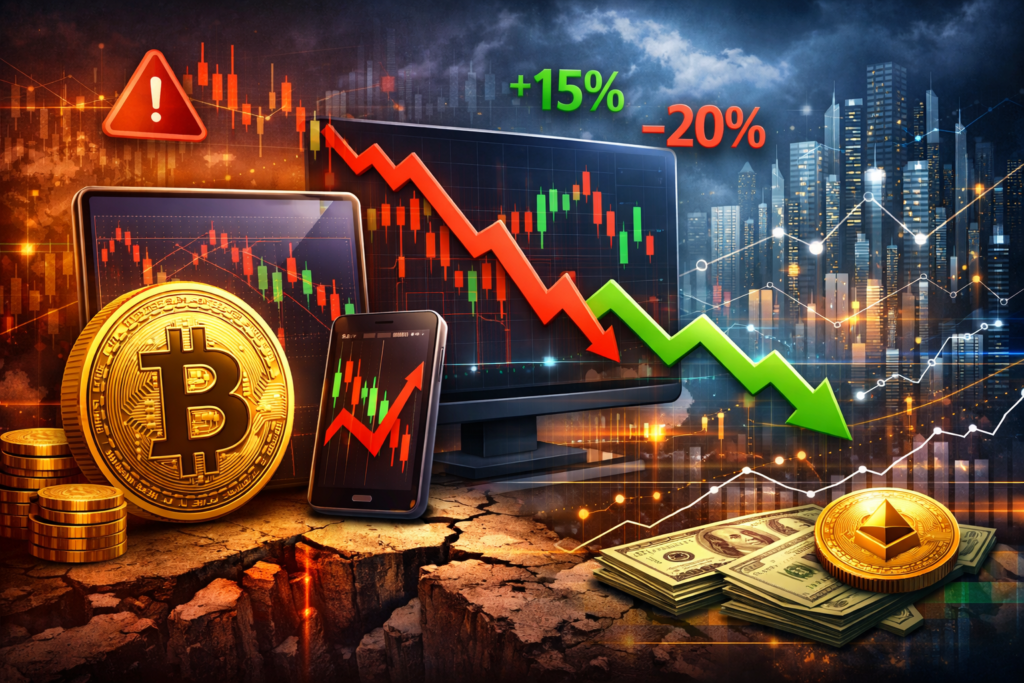
Technological factors additionally play a part in the volatility of Bitcoin. The market sentiment is frequently influenced by network upgrades, scalability improvements, security issues, or the lack of approval of ETF in major developments. When it becomes public knowledge that an exchange has been hacked or the system has failed, suspicion is raised, however, the evolutions in blockchain technology and the incorporation of institutions can lead to a new wave of interest in digital assets. Liquidity is a significant reason for the wild price swings in the crypto market. As opposed to the traditional stock markets, cryptocurrency markets generally have lower liquidity, particularly for small tokens. Prices may be drastically affected by sizable buy or sell orders.
Moreover, the use of leverage in trading escalates the risk level as abrupt changes may result in a flood of liquidations thereby causing price swings to be extremely volatile. However, crypto market volatility is not only a risk factor but also an opportunity. Short, term traders attempt to gain from the price changes, whereas long, term investors take advantage of market drops to buy more assets at lower prices. By knowing the nature of volatility, investors can effectively determine their entry and exit points, manage risks efficiently, and prevent emotional decisions during market changes.
To conclude, speculation, global economic factors, changes in regulations, updates in technology, and liquidity conditions are the main reasons behind the volatility of Bitcoin and crypto markets. The feeling of unpredictability that volatility brings aside, it is an inherent characteristic of a financial ecosystem that is developing and evolving.