

Election Commission of India (ECI) Simple Guide for Everyone
Election Commission of India (ECI) Simple Guide for Everyone
People trust elections more when the process feels fair and controlled. That trust comes from a body that’s independent, backed by law, and clearly separate from politics. The Election Commission of india (ECI) keeps elections balanced and free from bias, which is mostly hard to do across such a big population.
Voting outcomes get solidified only when results are counted correctly. This happens because the ECI follows strict rules laid out in the constitution of India, giving it authority without needing outside pressure. Without this structure, any election could slide into chaos or disputes.
Even presidential races have been managed cleanly thanks to the ECI’s planning. From deciding when polls happen to organizing vote counting, every step runs through consistent procedures. Elections for Lok Sabha, Rajya Sabha, state assemblies – none skip steps or rush decisions.
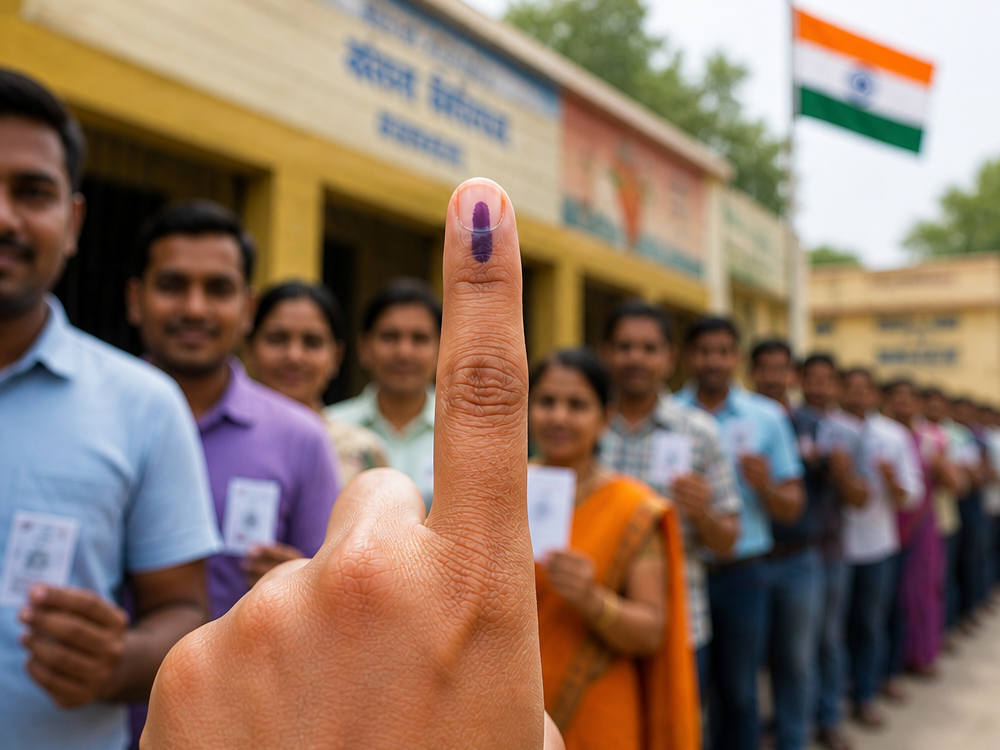
Besides other roles, the ECI is responsible for preparing and updating voter rolls. Voting should only be permitted to eligible citizens who are the right age, citizens, and physically present at the time of voting. Regular checking and updating of the records by the commission help in identifying and correcting errors. This measure works towards eliminating the chances of voter fraud and maintaining a clean electoral system. Besides that, it also enables new voters to register and participate in democracy with ease.
When elections are held, one of the tools the ECI employs is a set of instructions known as the Model Code of Conduct. These rules serve as ethical guidelines for political parties and their leaders, instructing them on the right way to conduct themselves. For instance, they are forbidden to exploit authority, bribe voters, or disseminate false information. The ECI has the power to intervene if a person violates these rules. This contributes towards the establishment of a level playing field in elections for the candidates.
Vidhan Sabha elections introduced a major change through the innovation of Electronic Voting Machines (EVMs) where election time was reduced dramatically. Computers integrated into the system help to minimize errors and enable rapid counting of ballots. As a matter of fact, together with this, features such as VVPAT promote openness. The more people have faith in the outcome of an election as it has undergone scrutiny and verification.
Though the ECI is quite powerful, it is still confronted with a number of problems. False news and misinformation may mislead voters. The power of money and influence can compromise the sense of fairness. In certain regions, people are still not fully knowledgeable of their voting rights. The ECI is constantly engaged in addressing these issues through awareness campaigns and rule enhancements. Besides, it does not hesitate to impose strict measures.
Election Commission of India is the most crucial element for keeping democracy alive and functioning smoothly. It guarantees that all elections are free, fair and transparent. Without it, the whole political system might become unfair and unbalanced. Every Indian deserves to realize the value of the Commission and participate in the poll. An empowered ECI equals a powerful and prosperous India