
Why the United States and Iran Must Move Away from Extreme Demands for Lasting Peace
Why the United States and Iran Must Move Away from Extreme Demands for Lasting Peace
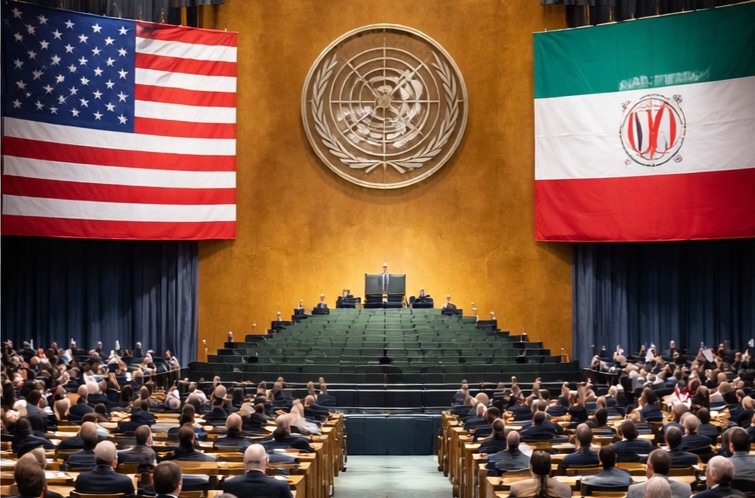
The U. S. -Iran conflict is more than just a two-country issue, its repercussions will be felt worldwide as it hampers the global economy, politics, and security. Negotiations have come to a halt mainly because there are large-scale, unrealistic demands from both parties. Such demands go beyond what can be realistically expected and therefore make finding a middle ground hardly possible.
The U. S. has adopted a hardline stance in the recent talks, implementing economic and military pressure that intends to force Iran’s hand. Conversely, through its own measures, Iran has sought the easing of sanctions and the consolidation of its influence in the region. The persistent exchange of proposals has led to a situation where none of the parties are willing to make the first move towards a possible compromise.
The consequence of this standstill is reflected in the world energy prices. The Strait of Hormuz is the gateway for much of the world’s oil therefore any interference there will result in increasing prices and economic turmoil. The existing discord has already led to a state of uncertainty, which in turn impacts the oil-dependent nations.
Public opinion has an effect on what governments decide to do in the negotiating process. Often, people want their leaders to be tough and not to give up any points. Under this kind of pressure, leaders may find it hard to change their stances even if through compromise it would be possible to make some progress. Hence, the success of diplomacy largely depends on how well we can manage the public’s expectations.
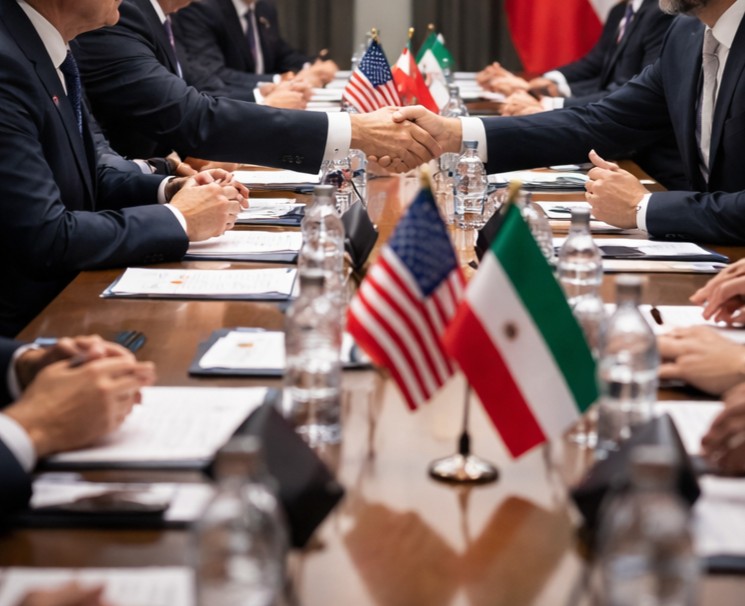
Normally, international relationships are quite complicated. The present case of the United States and Iran is a great example of that. Their relations are influenced by a variety of factors such as the situation in their area and the interests of other countries in the world. Because of this, it is very necessary to have a flexible approach that will be able to cope with changing situations.
Timing is yet another one of the important factors. Negotiating is something that often takes time, as there is rarely an opportunity to get instant results. By doing a step-by-step compromise both parties will be able to gain each other’s trust and this trust will be the basis for new agreements. On the other hand, moving too fast or demanding total solutions can cause the process to get tangled.
Patience plays a vital role in the negotiation process. It’s not always possible to find a middle point immediately, and discussions would usually span several rounds before reaching an agreement. Through continued willingness to communicate, parties can slowly approach a compromise that suits everyone.
To sum up, compromise is the essential factor in easing the friction between the USA and Iran. Directing one’s attention to common interests and embracing change, both countries will be able to pave the way for peace and stability. It is true that difficulties continue to exist, but the decision to compromise can bring about permanent beneficial results.